
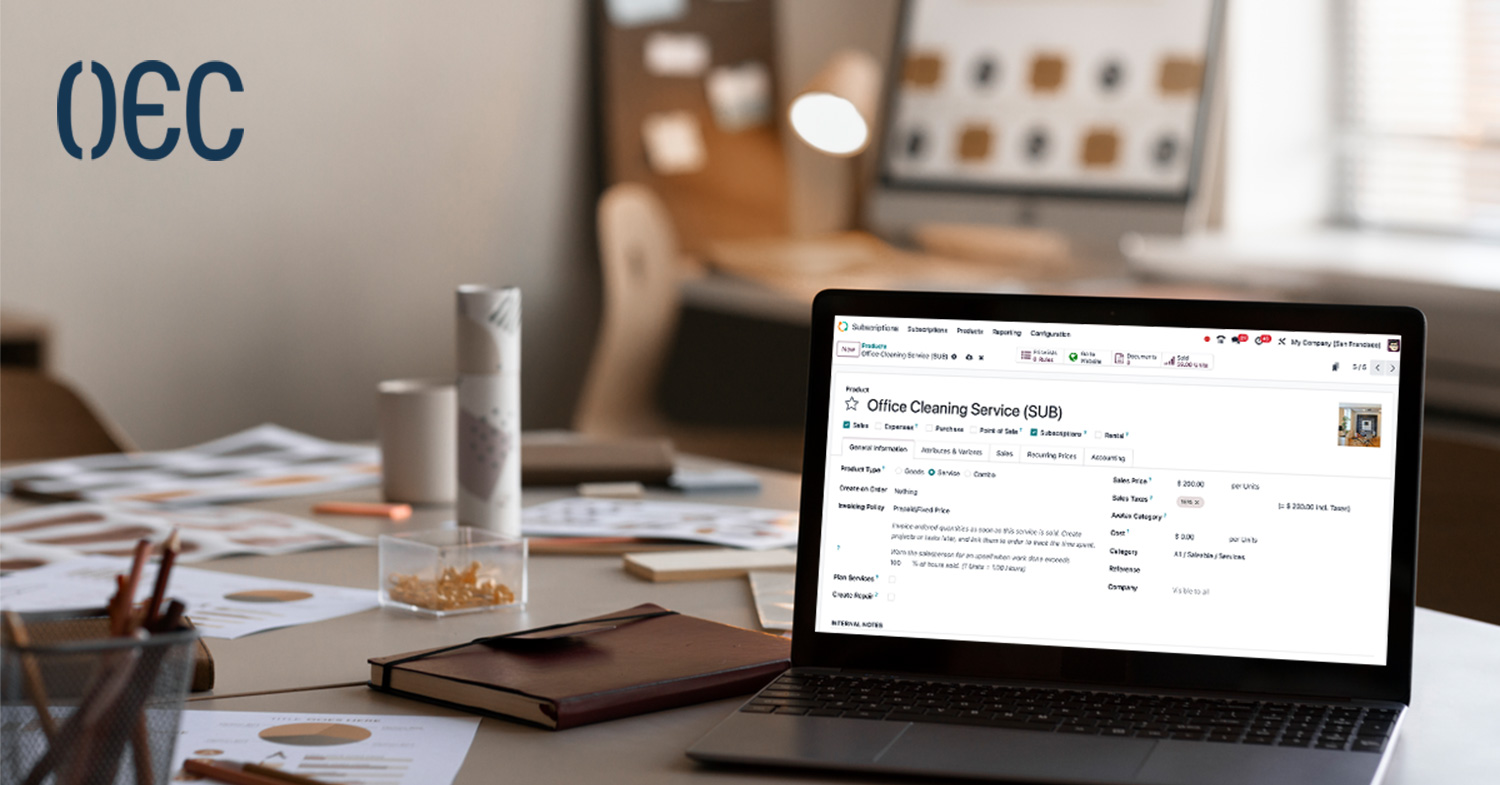
Running a subscription-based business sounds simple on paper, but in reality, it can get messy very quickly. Recurring invoices, renewals, upgrades, downgrades, contracts, customer follow-ups, and reporting can turn into a daily headache if they’re not managed properly. This is exactly where Odoo Subscription Management comes in, offering businesses a smarter and more structured way to handle recurring revenue. At OEC, we focus on helping businesses simplify complex operations through digital solutions built around Odoo. Our work revolves around implementing and supporting Odoo systems that reduce manual work, improve visibility across departments, and help teams focus on growth instead of repetitive daily tasks. As subscription-based business models become more common across many industries, having a well-configured Odoo system in place is no longer optional—it’s essential for staying organized and scalable. In this blog, we’ll break down Odoo Subscription Management in a clear and practical way. You’ll learn what it is, how it works, its key features, benefits, common use cases, and how it fits into the wider Odoo ecosystem. Whether you’re new to subscriptions or looking to scale, this guide will give you everything you need to understand how Odoo handles subscription management properly. What Is Odoo Subscription Management? Odoo Subscription Management is a built-in application within the Odoo ERP system designed to manage recurring products and services. It allows businesses to automate subscription lifecycles, from contract creation to recurring invoicing and renewals. Instead of manually tracking subscriptions in spreadsheets or disconnected tools, Odoo centralizes everything in one system. Each subscription is treated as a living contract that can evolve over time, with clear visibility into billing cycles, customer status, and revenue forecasts. At its core, Odoo Subscription Management helps businesses: Automate recurring invoices Manage subscription plans and pricing Track renewals and expiration dates Handle upgrades, downgrades, and cancellations Analyze recurring revenue performance Why Subscription Management Matters for Modern Businesses The Shift Toward Recurring Revenue Models More businesses today are moving toward subscription-based models because they offer predictable revenue and stronger customer relationships. This applies to: Software and SaaS companies Service providers Maintenance and support contracts Digital platforms Content and media services However, recurring revenue only works well when subscriptions are managed efficiently. The Risks of Manual Subscription Tracking Without a proper system, businesses often face: Missed invoices or delayed billing Incorrect pricing or contract terms Poor visibility into active subscriptions Difficulty forecasting revenue Increased customer complaints Odoo Subscription Management solves these problems by automating processes and keeping everything structured and transparent. How Odoo Subscription Management Works Subscription Creation Subscriptions in Odoo usually start from: A sales order A predefined subscription plan A customer request Once confirmed, the subscription becomes active and follows predefined rules for billing, duration, and renewal. Automated Billing Cycles Odoo allows you to define billing frequencies such as: Monthly Quarterly Yearly Custom billing periods Invoices are generated automatically based on the subscription rules, reducing manual effort and billing errors. Lifecycle Management Each subscription goes through clear stages: Draft Active Paused Closed or Cancelled This lifecycle view helps teams track the exact status of every subscription at any time. Key Features of Odoo Subscription Management Flexible Subscription Plans Odoo allows businesses to create multiple subscription plans with: Different pricing models Billing intervals Contract durations Optional add-ons This flexibility makes it suitable for both simple and complex subscription offerings. Automated Recurring Invoicing Recurring invoices are generated automatically based on the subscription schedule. This ensures: Consistent billing Reduced manual errors Faster payment cycles Invoices can also be integrated with Odoo Accounting for full financial tracking. Prorated Billing When customers upgrade or downgrade their subscriptions mid-cycle, Odoo can automatically calculate prorated amounts. This keeps billing fair and transparent without manual calculations. Subscription Renewals and Expiration Tracking Odoo tracks: Renewal dates Contract expiration Renewal status This helps businesses stay proactive instead of reacting after subscriptions expire. Benefits of Odoo Subscription Management A dedicated benefits section will make your article stronger and more useful for readers: Time Savings Through AutomationAutomating invoices, renewals, and billing cycles reduces manual tasks and frees your team to focus on growth. Improved Accuracy and TransparencyBy centralizing all subscription data in Odoo, errors are minimized and reporting becomes accurate and actionable. Better Customer ExperienceAutomated reminders, clear billing, and flexible plans improve retention and reduce customer complaints. Scalable OperationsAs your business grows, Odoo Subscription Management adapts to multiple pricing tiers, add-ons, and complex subscription structures without extra effort. Actionable InsightsBuilt-in reports provide visibility into recurring revenue, churn rates, and forecasts, helping you make strategic decisions confidently. Managing Customers with Odoo Subscription Management Centralized Customer Data Every subscription is linked to a customer record inside Odoo. This means: Full contract history Invoice records Payment status Communication logs Everything stays connected, making customer management easier. Improved Customer Retention By automating renewals and reminders, businesses reduce the risk of losing customers due to missed follow-ups or unclear billing. Revenue Forecasting and Reporting Recurring Revenue Insights Odoo Subscription Management provides reporting tools that help businesses understand: Monthly recurring revenue Active subscriptions Churn rates Future revenue forecasts These insights are essential for strategic planning and growth decisions. Custom Reports Because Odoo is modular, reports can be customized to match business needs, whether for management, finance, or sales teams. Integration with Other Odoo Modules One of the strongest advantages of Odoo Subscription Management is how seamlessly it integrates with other Odoo apps. 1. Odoo Accounting Automatic posting of subscription invoices Real-time financial reporting Tax and compliance handling 2. Odoo CRM Convert leads into subscription customers Track opportunities related to subscription sales Improve sales forecasting 3. Odoo Sales Sell subscription plans directly from sales orders Apply discounts or promotions Upsell or cross-sell additional services 4. Odoo Helpdesk Link support tickets to active subscriptions Offer support based on subscription level Improve customer satisfaction And more, Odoo Subscription Management can connect with many other Odoo apps, creating a fully integrated system that streamlines workflows, improves visibility, and supports growth across all business functions. Common Use Cases for Odoo Subscription Management Service-Based Businesses Companies offering recurring

خدمات دعم وصيانة نظام أودو: دليل شامل للشركات
مع تطور الشركات وتوسع عملياتها، تصبح الأنظمة الإدارية عنصرًا أساسيًا في استمرارية العمل وكفاءة الأداء. لم يعد الاعتماد على أدوات تقليدية أو حلول مجزأة كافيًا لإدارة المحاسبة، المبيعات، المخزون، والموارد البشرية بشكل متكامل. من هنا، برز نظام Odoo ERP كأحد أكثر الأنظمة شمولًا ومرونة، لكن نجاحه الحقيقي لا يعتمد على التنفيذ فقط، بل على وجود خدمات دعم وصيانة نظام أودو Odoo تضمن استقراره وتطوره مع نمو الشركة. تعمل OEC في مجال التحول الرقمي منذ سنوات طويلة، وتقدّم حلولًا متكاملة تشمل نظام Odoo ERP، وخدمات الأرشفة الرقمية، وتطوير الأنظمة الداعمة للأعمال. وبصفتها شريك Odoo، تعتمد OEC على منهجية احترافية في تقديم خدمات الدعم والصيانة، تركز على استقرار النظام، أمان البيانات، وتحقيق أفضل استفادة عملية من أودو داخل بيئة العمل، مع إتاحة عرض توضيحي مجاني لنظام أودو (Free Odoo Demo) لمساعدة الشركات على فهم النظام عمليًا قبل اتخاذ قرار التنفيذ. يهدف هذا المقال إلى تقديم دليل شامل للشركات لفهم خدمات دعم وصيانة نظام أودو، وأهميتها، ومكوناتها، ومتى تحتاج إليها الشركات، وكيفية اختيار الشريك المناسب لتقديم هذه الخدمات. المقال موجه لأصحاب الأعمال، المدراء، وفرق تقنية المعلومات الذين يبحثون عن رؤية واضحة وعملية بعيدًا عن التعقيد أو الطرح التسويقي المبالغ فيه. ما المقصود بخدمات دعم وصيانة نظام أودو؟ تشير خدمات دعم وصيانة نظام أودو إلى مجموعة من الأنشطة التقنية والتشغيلية التي تهدف إلى ضمان عمل النظام بكفاءة واستقرار على المدى الطويل. هذه الخدمات لا تقتصر على إصلاح الأعطال عند حدوثها، بل تشمل المتابعة المستمرة، التحسين، والتكيّف مع متطلبات العمل المتغيرة. الدعم والصيانة هما المرحلة التي تبدأ بعد تنفيذ النظام، وهي المرحلة التي يتحدد فيها ما إذا كان أودو سيبقى أداة فعالة تدعم اتخاذ القرار، أو مجرد نظام يعمل بشكل محدود. الفرق بين تنفيذ أودو ودعمه وصيانته تنفيذ أودو: يشمل إعداد النظام، تفعيل الوحدات المطلوبة، وضبط الإعدادات الأساسية. دعم وصيانة أودو: يشمل تشغيل النظام اليومي، معالجة المشكلات، تحسين الأداء، وتحديث النظام بما يتوافق مع احتياجات الشركة. الاعتماد على التنفيذ فقط دون دعم وصيانة يعرض النظام للتدهور التدريجي في الأداء والاستخدام. لماذا تحتاج الشركات إلى خدمات دعم وصيانة نظام أودو؟ 1. لأن نظام أودو نظام ديناميكي أودو ليس برنامجًا ثابتًا، بل نظام يتأثر بعدة عوامل، منها: زيادة عدد المستخدمين تضخم حجم البيانات إضافة وحدات جديدة تغيّر إجراءات العمل الداخلية من دون متابعة وصيانة، قد تظهر مشكلات في الأداء أو التوافق بمرور الوقت. 2. تقليل الأخطاء التشغيلية والتقنية الأخطاء الصغيرة في الإعدادات أو الصلاحيات قد تؤدي إلى: تقارير غير دقيقة خلل في العمليات المحاسبية مشاكل في إدارة المخزون أو المبيعات الدعم المستمر يحد من هذه الأخطاء قبل أن تتحول إلى مشاكل مؤثرة. 3. مواكبة نمو وتغير الشركة مع توسع الشركة، تتغير: هيكلة الإدارات سياسات البيع والفوترة آليات العمل الداخلية خدمات دعم وصيانة نظام أودو تضمن أن النظام يتطور بالتوازي مع هذا النمو. أنواع خدمات دعم وصيانة نظام أودو الدعم الفني (Technical Support) يشمل الدعم الفني التعامل مع الجوانب التقنية للنظام، مثل: معالجة الأعطال البرمجية حل مشاكل الأداء متابعة استقرار النظام التعامل مع مشكلات الاستضافة أو الخوادم هذا النوع من الدعم ضروري لضمان استمرارية العمل دون توقف. الدعم التشغيلي (Operational Support) يركز الدعم التشغيلي على المستخدمين وطريقة استخدامهم للنظام، ويشمل: الإجابة على استفسارات الفرق المختلفة تصحيح أخطاء الاستخدام المساعدة في استخراج التقارير توضيح آلية عمل الوحدات المختلفة الدعم التشغيلي يرفع من كفاءة استخدام النظام ويقلل الاعتماد على حلول بديلة. الصيانة الوقائية (Preventive Maintenance) الصيانة الوقائية هي العنصر الأهم في أي خطة دعم احترافية، وتشمل: مراجعة دورية للإعدادات مراقبة الأداء اكتشاف المشكلات المحتملة قبل حدوثها تحسين استقرار النظام هذا النوع من الصيانة يقلل التكاليف على المدى الطويل. ماذا تشمل خدمات دعم وصيانة نظام أودو بشكل عملي؟ تحديثات نظام أودو تصدر تحديثات أودو بشكل دوري، وقد تتضمن: تحسينات في الأداء إصلاح ثغرات أمنية تطوير وظائف موجودة خدمات الدعم الاحترافية تضمن: اختبار التحديثات قبل تطبيقها تجنب التعارض مع التخصيصات تنفيذ التحديث دون التأثير على سير العمل إدارة الصلاحيات والأمان إدارة الصلاحيات بشكل غير منظم قد تؤدي إلى مخاطر تشغيلية وأمنية. تشمل خدمات الصيانة: تحديد الأدوار الوظيفية بدقة تنظيم صلاحيات الوصول تعزيز مستوى أمان البيانات النسخ الاحتياطي وحماية البيانات أي نظام إداري دون خطة نسخ احتياطي منتظمة يمثل مخاطرة كبيرة. الدعم والصيانة يشملان: إعداد نسخ احتياطية دورية اختبار عمليات الاستعادة ضمان سلامة البيانات في حالات الطوارئ متى تحتاج الشركات إلى خدمات دعم وصيانة نظام أودو؟ هناك مؤشرات واضحة تدل على الحاجة إلى دعم وصيانة احترافية، منها: بطء النظام أو توقفه المتكرر اعتماد الموظفين على حلول خارج النظام صعوبة استخراج تقارير دقيقة تعقيد أي تعديل أو إضافة جديدة غياب جهة واضحة مسؤولة عن النظام ظهور هذه المؤشرات يعني أن النظام يعمل، لكنه لا يعمل بكفاءة. الفرق بين الدعم الداخلي والدعم عبر شريك أودو الدعم الداخلي يتطلب: فريق تقني متخصص تكاليف تشغيل مرتفعة تدريب مستمر لمواكبة تحديثات أودو وهو خيار مناسب فقط لبعض الشركات الكبيرة جدًا. الدعم عبر شريك أودو يتميز بـ: خبرة متراكمة عبر قطاعات مختلفة مرونة أعلى في التعاقد تكلفة أقل مقارنة بالدعم الداخلي معرفة محدثة بالنظام وتطوراته لهذا السبب تعتمد معظم الشركات على شركاء أودو معتمدين. كيف تختار مزود خدمات دعم وصيانة نظام أودو؟ 1. الفهم العميق لطبيعة العمل مزود الخدمة الجيد لا يركز على النظام فقط، بل على: طبيعة نشاط الشركة التحديات التشغيلية الأهداف المستقبلية 2. وضوح آلية الدعم يجب أن تكون آلية الدعم واضحة من حيث: أوقات الاستجابة قنوات التواصل نطاق الخدمات المشمولة 3. المرونة وقابلية التخصيص كل شركة لها احتياجات مختلفة، لذلك يجب أن تكون خدمات الدعم قابلة للتخصيص وليست نماذج ثابتة. أهمية الشريك المعتمد في دعم وصيانة أودو كون الشركة شريك Odoo يعني: الالتزام بمعايير أودو الرسمية وصول أفضل للدعم الفني المتقدم فهم أعمق لبنية النظام تطبيق أفضل الممارسات المعتمدة هذا ينعكس مباشرة على جودة الدعم واستقرار النظام. لماذا تُعد خدمات دعم وصيانة نظام أودو استثمارًا طويل الأجل؟ تقليل الأعطال والتوقفات تحسين كفاءة العمليات حماية البيانات الحساسة دعم اتخاذ القرار بناءً على بيانات دقيقة إطالة عمر النظام وتحقيق أقصى استفادة منه الدعم والصيانة لا تمثل تكلفة إضافية، بل استثمارًا في استقرار ونمو الشركة. التحديات التي تواجه الشركات دون دعم وصيانة منتظمة توقف النظام في أوقات حرجة فقدان أو تلف البيانات تقارير غير دقيقة تؤثر على القرارات استهلاك وقت الموظفين في حلول مؤقتة صعوبة التوسع أو إضافة وظائف جديدة هذه التحديات تؤثر مباشرة على الإنتاجية والربحية. لماذا OEC هي الخيار الأفضل لخدمات دعم وصيانة نظام أودو؟ تتميّز OEC بتقديم خدمات دعم وصيانة نظام أودو من خلال منهجية مدروسة

أودو والتسويق الاجتماعي عبر وسائل التواصل: دليل شامل
في العصر الرقمي الحالي، أصبح وجود الشركات على وسائل التواصل الاجتماعي عنصرًا أساسيًا للنجاح. العملاء يبحثون عن العلامات التجارية النشطة والمتفاعلة، ويقدرون المحتوى الذي يقدم لهم قيمة حقيقية. هنا يأتي دور أودو والتسويق الاجتماعي كأداة متكاملة تساعد الشركات على تنظيم وإدارة حملاتها بكفاءة عالية، وتحقيق نتائج ملموسة دون الحاجة للانتقال بين منصات مختلفة. شركة OEC تقدم حلولًا متكاملة تشمل أودو وإدارة الأعمال الرقمية. تركيزنا ينصب على تقديم حلول مرنة ومخصصة تناسب كل الشركات، مع ضمان تجربة استخدام سلسة ومتكاملة. هدفنا هو تمكين العملاء من استغلال أدوات التسويق الرقمي بشكل فعّال لتحقيق نمو حقيقي ومستدام. في هذا المقال، سنغطي كل ما تحتاج معرفته عن أودو والتسويق الاجتماعي، بدءًا من كيفية إعداد الحملات، تنظيم المحتوى، متابعة الأداء، وصولًا إلى دمج هذه الحملات مع الاستراتيجيات الرقمية الأخرى لتحقيق نتائج أفضل. سنقدم نصائح عملية يمكن تطبيقها فورًا لتحسين التفاعل، زيادة الوصول، وبناء حضور قوي على وسائل التواصل الاجتماعي. ما هو أودو والتسويق الاجتماعي وما اهميته؟ أودو هو نظام متكامل لإدارة الأعمال، وميزة التسويق الاجتماعي واحدة من الأدوات القوية التي يوفرها. من خلال هذه الأداة، يمكن للشركات إدارة حساباتها على منصات متعددة مثل فيسبوك، إنستجرام، تويتر، ولينكدإن، كل ذلك من مكان واحد. هذا يسهل على المسوقين جدولة المنشورات، متابعة التفاعل، إنشاء تقارير دقيقة، وتحليل أداء الحملات. ميزة أودو الأساسية هي التكامل مع باقي أدوات النظام، مثل إدارة العملاء (CRM) وحملات البريد الإلكتروني. هذا التكامل يعني أن كل نشاط تسويقي يمكن تتبعه وربطه بالنتائج الفعلية، سواء كان زيادة المبيعات أو جذب عملاء محتملين. بدلاً من الاعتماد على أدوات منفصلة لكل منصة، يوفر أودو حلاً موحدًا يسهل إدارة الحملات وتحقيق أهدافها بكفاءة. لماذا يعتبر أودو أداة قوية للتسويق الاجتماعي؟ قوة أودو والتسويق الاجتماعي لا تكمن فقط في كونه أداة للنشر على وسائل التواصل الاجتماعي، بل في كونه نظامًا متكاملًا يساعد الشركات على التخطيط، التنفيذ، المتابعة، والتحسين المستمر للحملات التسويقية من مكان واحد. أودو يمنح فرق التسويق رؤية شاملة وتحكمًا كاملًا في كل خطوة من خطوات الحملة، مما يجعل النتائج أكثر دقة وتأثيرًا. التخطيط والتحضير الذكي للحملات قبل إطلاق أي حملة تسويق اجتماعي، يوفر أودو البيئة المناسبة لوضع خطة واضحة ومحددة. يمكن تحديد أهداف الحملة بدقة، سواء كان الهدف هو زيادة التفاعل، جذب متابعين جدد، تعزيز الوعي بالعلامة التجارية، أو دعم المبيعات. هذا التخطيط المسبق يساعد على اختيار المنصات المناسبة ونوعية المحتوى الأكثر تأثيرًا على الجمهور المستهدف. بعد تحديد الأهداف، يتم ربط حسابات وسائل التواصل الاجتماعي مباشرة مع النظام. هذه الخطوة تتيح لأودو إدارة المنشورات، التفاعل، والتحليلات من خلال لوحة تحكم مركزية واحدة. وجود كل الحسابات في مكان واحد يقلل من الأخطاء، ويوفر الوقت، ويساعد فرق التسويق على التركيز على جودة المحتوى بدلاً من الجوانب التقنية. إنشاء المحتوى وجدولته بمرونة أحد الأسباب الرئيسية التي تجعل أودو أداة قوية للتسويق الاجتماعي هو سهولة إنشاء المحتوى وجدولته. أودو يسمح بتجهيز المنشورات مسبقًا وجدولتها للنشر في الأوقات المثالية، مما يضمن وصول المحتوى للجمهور في الوقت الذي يكون فيه التفاعل أعلى. تنويع المحتوى بين الصور، الفيديوهات، والمنشورات النصية القصيرة يصبح أكثر تنظيمًا عند استخدام أودو. كما أن الاعتماد على تقويم محتوى شهري يساعد على الحفاظ على الاتساق في النشر، وتوزيع المحتوى بشكل متوازن يخدم أهداف الحملة. هذا الأسلوب يقلل من العشوائية ويعزز حضور العلامة التجارية على وسائل التواصل الاجتماعي. متابعة الأداء وتحليل النتائج بدقة بعد نشر المحتوى، تأتي مرحلة المتابعة والتحليل، وهي من أقوى نقاط أودو والتسويق الاجتماعي. يوفر أودو لوحات تحكم واضحة تعرض أداء كل منشور بالتفصيل، مثل عدد المشاهدات، مستوى التفاعل، ونسبة المشاركة. تحليل هذه البيانات يساعد فرق التسويق على فهم سلوك الجمهور بشكل أفضل، ومعرفة أي نوع من المحتوى يحقق نتائج أقوى، وأي أوقات النشر أكثر فاعلية. بناءً على هذه المعلومات، يمكن تعديل استراتيجية المحتوى باستمرار، سواء من حيث نوع المنشورات أو توقيت النشر، لضمان تحسين الأداء مع كل حملة جديدة. التكامل مع استراتيجيات التسويق الأخرى ما يميز أودو عن كثير من أدوات التسويق الاجتماعي الأخرى هو قدرته على التكامل الكامل مع باقي أنشطة التسويق. ربط التسويق الاجتماعي مع حملات البريد الإلكتروني يساهم في تعزيز الرسائل التسويقية وزيادة الوصول إلى الجمهور من أكثر من قناة في نفس الوقت. كذلك، التكامل مع نظام إدارة العملاء (CRM) يتيح تتبع النتائج الفعلية للحملات، مثل معرفة أي المنشورات أدت إلى تواصل العملاء أو جذب فرص بيع جديدة. هذا الترابط بين القنوات التسويقية يمنح الشركات رؤية شاملة لأداء حملاتها، ويساعد على اتخاذ قرارات مبنية على بيانات حقيقية وليست مجرد توقعات. نصائح لتعزيز حملاتك عبر أودو التخطيط المسبق: حدد خطة واضحة للأسبوع أو الشهر، بما يشمل نوعية المنشورات وأوقات النشر المثالية. تنويع المحتوى: استخدم الصور، الفيديوهات، والقصص القصيرة لجذب الجمهور من مختلف الفئات. مراقبة التفاعل: متابعة التعليقات والرسائل تساعد على تحسين العلاقة مع الجمهور وبناء الثقة. تحليل الأداء: استغل البيانات لتعديل وتحسين الحملات، مثل تغيير أوقات النشر أو نوع المحتوى. التجربة المستمرة: جرب أشكال مختلفة من المنشورات وتابع النتائج لاكتشاف ما يناسب جمهورك أكثر. استراتيجيات ومميزات أودو للتسويق الاجتماعي الحملات المؤتمتة إحدى أبرز المميزات التي يوفرها أودو والتسويق الاجتماعي هي القدرة على إنشاء حملات مؤتمتة بالكامل. الحملات المؤتمتة تمكنك من جدولة المنشورات مسبقًا، متابعة التفاعل بشكل تلقائي، وإرسال التنبيهات أو الرسائل المحددة مسبقًا للجمهور. هذه الميزة توفر وقتًا كبيرًا وتضمن استمرار التواصل مع العملاء والمتابعين دون الحاجة إلى تدخل يدوي مستمر. استخدام الحملات المؤتمتة يتيح لك التركيز على تطوير استراتيجيات المحتوى بدلاً من الانشغال بنشر كل منشور على حدة. على سبيل المثال، يمكنك إعداد سلسلة منشورات أسبوعية أو شهرية بحيث يتم نشرها في أوقات الذروة تلقائيًا، مما يزيد فرص وصول الرسالة للجمهور في الوقت المناسب ويعزز التفاعل بشكل كبير. التكامل مع إدارة العملاء (CRM) من أهم المميزات التي تجعل أودو أداة قوية هي التكامل مع نظام إدارة العملاء (CRM). ربط التسويق الاجتماعي مع CRM يتيح لك تتبع نتائج المنشورات على وسائل التواصل ومعرفة أي منها يؤدي إلى تحويل فعلي أو جذب عملاء محتملين. هذه البيانات تساعد على تحسين استراتيجيات المبيعات والتسويق بشكل مباشر. على سبيل المثال، إذا لاحظت أن منشورًا معينًا على إنستجرام أدى إلى تواصل عدة عملاء محتملين، يمكنك تصميم حملات مشابهة أو استهداف نفس الفئة بشكل أكثر دقة. التكامل بين التسويق الاجتماعي وCRM يجعل كل عملية تسويقية مرتبطة بنتائج ملموسة، مما يزيد من فعالية الحملات ويقلل الهدر في الجهد والموارد. التحليلات المتقدمة توفر أودو أدوات تحليلية متقدمة تمكن المسوقين من فهم أداء كل منشور بدقة. من خلال هذه التحليلات، يمكنك معرفة: المنشورات التي تحقق أعلى تفاعل. أفضل الأوقات للنشر لضمان وصول المحتوى
Odoo Email Marketing Guide: Features, Benefits, and Tips
Email marketing remains one of the most effective ways for businesses to communicate directly with their audience. Despite the rise of social media and other digital channels, Odoo Email Marketing helps companies achieve high ROI by streamlining campaigns, improving targeting, and providing measurable results. Using the right tool like Odoo ensures businesses can execute email strategies efficiently. OEC specializes in helping companies optimize their digital processes through solutions like Odoo ERP, document management systems (DMS), and digital archiving. These solutions are designed to create an integrated digital environment where different operations — from marketing to finance — work together efficiently. In this blog, we’ll explore Odoo Email Marketing in detail. You’ll learn what it is, how it works, its features and benefits, and how companies can leverage it to run effective campaigns while staying connected to other business processes. What Is Odoo Email Marketing? Odoo Email Marketing is a module within the Odoo ecosystem that allows businesses to design, send, and analyze email campaigns directly from their ERP system. Unlike standalone email tools, Odoo Email Marketing integrates with other modules such as CRM, sales, and marketing automation. This integration allows companies to connect email campaigns with leads, customer data, and business workflows for a more data-driven approach. With Odoo Email Marketing, businesses can plan campaigns, segment their audiences, and track performance all in one place. It is designed to simplify email management while giving teams the insights they need to make informed marketing decisions. Features of Odoo Email Marketing Easy Email Design Odoo Email Marketing comes with a drag-and-drop email builder that allows teams to create professional-looking emails without coding. Users can add images, buttons, links, and custom sections to match brand guidelines. Why it matters: Teams spend less time struggling with design tools and more time crafting effective messages. Segmentation and Targeting You can segment your contacts based on multiple criteria such as demographics, past purchases, or engagement history. This allows sending highly targeted campaigns that speak directly to each audience segment. Why it matters: Personalized emails perform better and increase the likelihood of conversion. Automation Odoo allows users to automate campaigns based on triggers such as user behavior, specific dates, or interactions with previous emails. Why it matters: Automation saves time, ensures timely communication, and maintains consistent engagement with your audience. Analytics and Reporting The module provides detailed analytics, including open rates, click-through rates, bounce rates, and conversion tracking. Why it matters: Teams can make data-driven decisions to improve future campaigns, instead of relying on guesswork. Integration with CRM and Other Modules Odoo Email Marketing works seamlessly with CRM, sales, and other modules. This connection allows marketing campaigns to be directly linked to leads, opportunities, and business objectives. Why it matters: It ensures that email marketing efforts support broader business goals and that performance data is centralized. Benefits of Using Odoo Email Marketing Streamlined Workflow Managing campaigns, customer data, and analytics all in one place reduces the need for multiple platforms. Teams can work more efficiently without jumping between tools. Better Personalization With audience segmentation and behavioral triggers, businesses can send more relevant messages. Personalization improves engagement and enhances customer experience. Data-Driven Decisions Analytics and performance tracking give marketers actionable insights. Businesses can identify what works, what doesn’t, and continuously optimize campaigns for better results. Increased ROI By targeting the right people with the right message at the right time, and it helps businesses improve conversion rates and maximize return on investment. Consistency Across Campaigns Templates and automation ensure that all emails maintain brand consistency and are delivered on schedule, which is crucial for building trust and credibility. How Odoo Email Marketing Works Step 1: Building Your Email Start by designing your email using Odoo’s drag-and-drop builder. Customize content, images, and buttons to match your brand. Step 2: Segmenting Your Audience Choose the contacts you want to reach based on behavior, demographics, or custom criteria. Segmentation ensures that each recipient gets content that is relevant to them. Step 3: Scheduling or Automating Decide whether to send your campaign immediately, schedule it for later, or set up automation triggers. Automation can save time and improve campaign consistency. Step 4: Tracking Performance After sending, monitor metrics such as open rates, clicks, bounces, and conversions. Use these insights to tweak future campaigns and improve performance. Common Use Cases for Odoo Email Marketing Promotional Campaigns Announce sales, new products, or special offers to targeted audiences. Customer Retention Send follow-up emails to customers after purchases or re-engage inactive users. Newsletters Keep your audience informed with regular updates, tips, or company news. Event Invitations Promote webinars, workshops, or in-person events with automated reminders and follow-ups. Best Practices for Using Odoo Email Marketing Keep Your List Clean Regularly update your contact list to remove inactive subscribers. This improves deliverability and engagement rates. Personalize Content Use segmentation and dynamic content to tailor emails to each recipient. Personalization boosts open rates and conversions. Test and Optimize A/B testing subject lines, content, and timing helps identify what resonates best with your audience. Monitor Metrics Track key metrics and analyze them regularly to adjust your strategy and achieve better results. Align with Business Goals Ensure email campaigns support broader objectives such as lead generation, sales, or customer engagement. \Why OEC Is the Best Partner for Odoo Email Marketing Getting the most value from Odoo Email Marketing requires more than just using the module. Businesses need expertise, ongoing support, and an understanding of how it fits within the Odoo ecosystem. OEC provides structured support for implementing and managing Odoo Email Marketing, ensuring campaigns are correctly configured, maintained, and connected with other modules like CRM and marketing automation. Reasons to choose OEC: Expert configuration and setup of Odoo Email Marketing Ongoing support and troubleshooting to maintain stability Integration with other Odoo modules for seamless workflows Focus on long-term scalability and optimization Guidance for data-driven email campaigns that align with business goals By leveraging OEC’s experience, businesses can maximize the efficiency and impact of their email marketing campaigns, improve organization, and
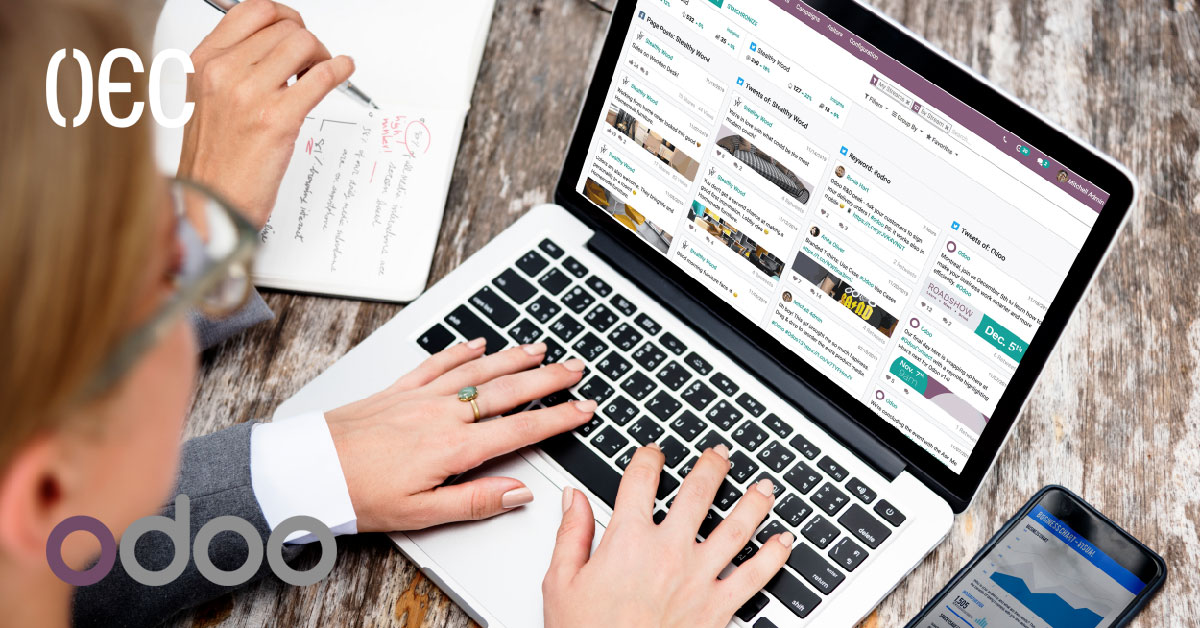
What Is Odoo Social Marketing and How Does It Work?
In today’s digital-first business environment, social media is no longer just a branding channel. It has become a daily operational tool for marketing teams, customer communication, and performance tracking. Managing multiple platforms, posting consistently, and measuring results can quickly become overwhelming without the right system in place. This is where structured tools start to matter more than manual effort. OEC works with businesses that are actively transitioning toward digital operations, offering solutions such as Odoo ERP, document management systems (DMS), and digital archiving. Through this work, it becomes clear that marketing teams face similar challenges to operations and finance teams: scattered tools, disconnected data, and limited visibility. A unified system is often the missing piece. This article focuses on Odoo Social Marketing, explaining what it is, how it works, and why it fits naturally within a broader ERP environment. The goal is to give a clear, practical understanding of the module, how businesses use it day-to-day, and how it supports more organized and measurable social media management. What Is Odoo Social Marketing? Odoo Social Marketing is a module within the Odoo ecosystem designed to help businesses manage their social media activities from a single platform. Instead of jumping between multiple social networks and external tools, marketing teams can plan, publish, monitor, and analyze content directly inside Odoo. At its core, Odoo Social Marketing connects social media management with business operations. This is an important distinction. The module is not just about posting content; it is about aligning social media efforts with leads, campaigns, sales activities, and overall performance tracking. Because it is part of Odoo ERP, the module naturally integrates with other Odoo apps such as CRM, Marketing Automation, Website, and Sales. This allows businesses to treat social media as part of a structured process rather than a standalone activity. Why Businesses Need a Centralized Social Media Tool Managing social media manually often leads to inefficiencies. Content calendars live in spreadsheets, performance metrics are checked separately on each platform, and valuable insights are rarely connected to actual business outcomes. A centralized tool like Odoo Social Marketing helps address these issues by offering: One dashboard for multiple social platforms A clear overview of scheduled and published content Centralized performance tracking Direct connection between engagement and business data When social media is handled inside an ERP environment, it becomes easier to understand how marketing efforts contribute to leads, customer interactions, and long-term growth. How Odoo Social Marketing Works Connecting Social Media Accounts The first step in using Odoo Social Marketing is linking social media accounts such as Facebook, LinkedIn, Twitter (X), and others supported by Odoo. Once connected, these accounts can be managed directly from the Odoo interface. This connection allows marketing teams to: Publish posts without logging into each platform separately Monitor interactions like comments and messages Track engagement metrics in one place The setup process is straightforward and designed to fit into existing Odoo configurations. Content Planning and Scheduling One of the strongest features of Odoo Social Marketing is content scheduling. Instead of posting content manually every day, teams can plan posts in advance and schedule them across different platforms. This helps with: Maintaining consistent posting schedules Aligning content with campaigns or promotions Reducing last-minute content pressure The scheduling view provides a clear visual layout, making it easier to see what content is planned and when it will go live. Publishing Across Multiple Platforms Odoo Social Marketing allows users to publish a single post across multiple social networks at the same time, while still adapting the message to fit each platform if needed. This approach: Saves time for marketing teams Ensures message consistency Reduces repetitive work Rather than treating each platform as a separate task, Odoo brings them into one structured workflow. Monitoring Engagement and Interactions Tracking Likes, Comments, and Shares After publishing content, Odoo Social Marketing collects engagement metrics directly within the system. These metrics include likes, comments, shares, and other platform-specific interactions. By centralizing this data, teams can: Identify high-performing content faster Understand audience behavior more clearly Adjust future content strategies using real data Instead of switching between multiple platforms, teams access all insights from a single dashboard. Managing Messages and Comments Social media communication often happens in real time, and missing messages can affect customer trust. Odoo Social Marketing helps by displaying messages and comments in one place. This allows teams to: Respond faster to inquiries Assign messages internally if needed Keep a record of interactions When combined with CRM, social interactions can even be linked to leads or contacts, creating a clearer customer journey. Analytics and Performance Measurement Understanding What Works and What Doesn’t Odoo Social Marketing provides reporting tools that help businesses analyze their social media performance over time. These reports focus on engagement trends rather than vanity metrics. With this data, marketing teams can: Identify which platforms deliver better engagement Understand content types that perform best Make data-driven decisions instead of assumptions Performance analysis becomes part of a continuous improvement process rather than a periodic task. Connecting Social Media to Business Goals It also works as part of the ERP system, which allows businesses to connect social media activities directly to their business objectives. Social media no longer operates in isolation. For example: Teams can link engagement directly to lead creation Managers can evaluate campaigns based on real outcomes, not just reach Marketing teams can align performance data with sales results This direct connection gives Odoo Social Marketing a clear advantage over standalone social media tools. Integration with Other Odoo Modules Odoo CRM Integration When social media is connected to CRM, interactions can be transformed into meaningful business data. Comments, messages, or clicks can be associated with contacts or potential leads. This helps businesses: Track customer interest over time Understand where leads originate Improve follow-up strategies Social media becomes part of the customer relationship process rather than a separate activity. Marketing Automation and Campaigns Odoo Social Marketing can work alongside Odoo Marketing Automation, allowing teams to align social posts with email campaigns, landing
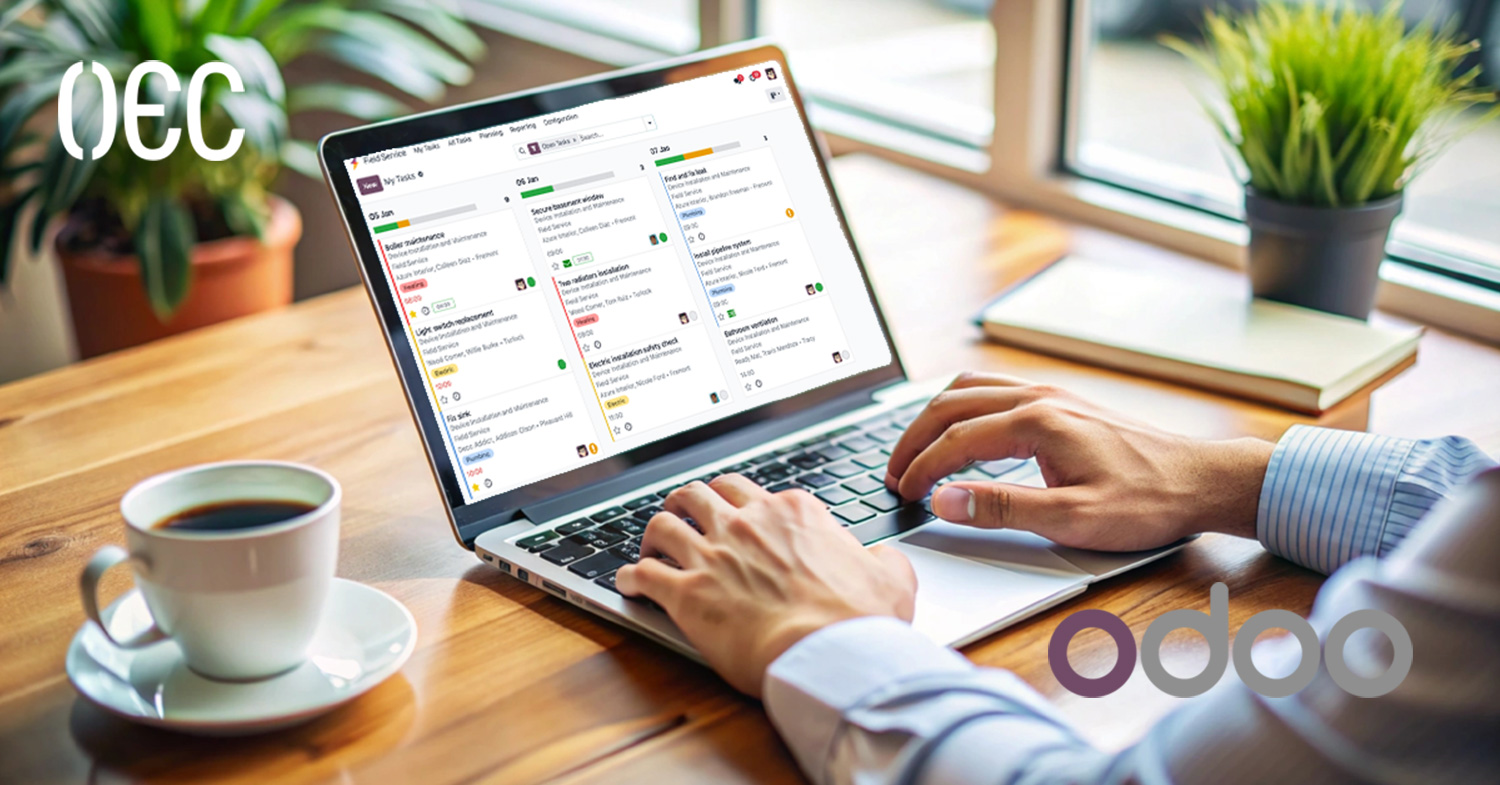
Odoo Field Service Management: Benefits and Key Features
Field service work looks simple from the outside—send a technician, finish the job, done. But anyone who has worked behind the scenes knows the truth: it’s messy, unpredictable, and full of tiny details that can easily slip through the cracks. One missed appointment, one confused technician, or one lost invoice, and suddenly your entire day feels like chaos. I’ve personally seen how manual tracking turns even basic tasks into a headache. That’s exactly why businesses today search for systems like Odoo Field Service Management—tools that help them stay organized without adding more complexity. When we talk about transforming operational efficiency, OEC always comes naturally to mind. With Ten years of experience working across digital archiving, web development, Odoo ERP, and IT solutions, we’ve seen firsthand what businesses struggle with and what actually helps them move forward. Odoo is one of those tools we recommend not because it’s trendy, but because it consistently solves real problems that teams deal with every day. It brings simplicity, structure, and clarity where businesses need it the most. This blog will walk you through everything you need to know about Odoo Field Service Management—its benefits, features, and why it’s such a powerful solution for companies that rely on field operations. Whether you manage technicians, maintenance teams, installations, inspections, or repairs, this guide will give you a clear picture of how Odoo can streamline your workflow from start to finish. What Is Odoo Field Service Management? Odoo Field Service Management is a module inside the Odoo ERP ecosystem that helps businesses manage everything related to field operations. You can plan tasks, schedule your team, track work, log time, prepare quotes, invoice customers, and monitor performance—all in one centralized place. Instead of jumping between WhatsApp messages, Excel sheets, calls, and random notebooks, everything becomes organized and visible. From a management perspective, it creates clarity. From a technician’s perspective, it removes confusion. And from a customer’s perspective, it increases trust and professionalism. Odoo keeps everything connected: The planning team sees what’s happening in real time Technicians get accurate details on what they must do Accounting instantly gets billable hours and consumed materials Customers receive clear communication and proper documentation That’s why it’s becoming the go-to solution for field service teams across industries. Why Businesses Struggle With Field Management To understand why Odoo Field Service Management matters, we need to address the common issues businesses face daily. Over the years, I’ve noticed the same patterns repeating across different industries: 1. Missing or unclear job details Technicians arrive unsure about customer addresses, required parts, or job priorities. This causes delays, miscommunication, and unnecessary back-and-forth. 2. Manual scheduling confusion Without a system, scheduling becomes a guessing game. People double-book, forget appointments, or fail to assign the right employee to the right job. 3. No visibility of team progress Managers can’t see what’s done, what’s pending, and what needs follow-up. This lack of clarity often leads to bottlenecks. 4. Inaccurate billing When time spent or materials used aren’t recorded properly, businesses lose money without realizing it. 5. Customer frustration Customers expect updates, clarity, professional documentation, and fast service. Without proper tools, delivering all of this becomes difficult. Odoo solves these pain points by bringing structure and automation to the entire workflow. Benefits of Odoo Field Service Management 1. Everything in One Platform The biggest advantage is integration. Odoo combines field operations with inventory, accounting, CRM, sales, human resources, and more. That means: Billing is automatic Stock levels update instantly when parts are used Customer details sync across departments Reports are generated with real data Teams don’t waste time switching systems When everything is connected, the entire business becomes smoother. 2. Real-Time Visibility Managers can track: Task progress Technician location Assigned jobs Time spent Materials consumed This kind of visibility helps businesses make faster and more accurate decisions. It also prevents delays because problems can be spotted early. 3. Better Technician Productivity Technicians get: A clear schedule Step-by-step job details Photos and files they can attach A timer to log hours A mobile-friendly interface Navigation to the customer location This eliminates confusion and helps them finish jobs faster and with fewer mistakes. I’ve seen how empowering technicians with proper tools changes their whole performance. When things are clear, people naturally work better. 4. Faster and More Accurate Billing Odoo captures: Time spent Spare parts used Equipment consumed Additional service charges With one click, invoices can be generated and sent to customers. No manual calculations, lost papers. No forgotten updates. This ensures revenue is captured correctly and on time. 5. Improved Customer Experience Customers get: Professional job documentation Accurate invoices Clear communication Faster service A higher sense of trust When a customer feels informed and confident in the process, they are more likely to continue working with your business. 6. Easy Planning for Managers Odoo’s scheduling interface shows: Employee availability Current and upcoming tasks Travel distance Urgent priorities This helps assign tasks effectively without overloading the team. 7. Reduced Errors Through Automation Automation eliminates mistakes caused by: Manual entry Miscommunication Lost notes Poor tracking With Odoo, the process becomes consistent and reliable every single time. Key Features of Odoo Field Service Management Now let’s break down the core features that make Odoo Field Service Management stand out. 1. Smart Scheduling and Dispatching Drag-and-Drop Schedule Managers can visually assign tasks with a simple drag-and-drop interface. It’s easy, fast, and prevents scheduling conflicts. Team Availability You can instantly see who’s free, who’s busy, and who’s already on a job. Optimize Assignments Tasks can be assigned based on: Skills Distance Workload Priority This ensures the right person goes to the right job. 2. Mobile Access for Technicians Technicians don’t need a laptop or heavy tools. With mobile access, they can handle everything on the go. Start and stop timers Automatically track how long each job takes. View customer details No more calling the office for directions or job notes. Add photos, files, or customer signatures This builds trust and improves documentation. Complete tasks in real time

افضل تقنيات حفظ البيانات للشركات
عالم الأعمال اليوم تغيّر بشكل كبير، وأكبر تغيير فيه هو حجم البيانات اللي صارت الشركات تتعامل معها يوميًا. بيانات عملاء، فواتير، مستندات، ملفات تشغيل… وكل شيء يتحرك بسرعة. وبما أن كل قرار داخل الشركة يعتمد بشكل مباشر على البيانات، صار من الضروري استخدام تقنيات حفظ البيانات للشركات لضمان جمعها، تنظيمها، تأمينها واستعادتها في الوقت المناسب. كثير من الشركات لحد الآن تستخدم طرق تقليدية، وتتفاجأ بالوقت اللي تضيع فيه الملفات أو يحصل خطأ بسيط يوقف سير العمل. شركة OEC من بداية تأسيسها في 2016 وهي شغالة في مجال حلول التحول الرقمي، ومن أوائل الخدمات اللي اهتمت فيها هي تقنيات حفظ البيانات للشركات. سواء كان الموضوع أرشفة رقمية، أو أنظمة DMS، أو ربط كامل عبر Odoo ERP. الفكرة بالنسبة لنا ما كانت مجرد تخزين ملفات، لكن بناء نظام يساعد الشركة تكون أسرع وأكثر أمانا، ويقلل عليها التكاليف ويزيد إنتاجيتها. ومع سنوات الخبرة اللي مرينا فيها، قدرنا نفهم بالضبط وين الشركات تواجه مشاكل، وإيش التقنيات اللي فعلا تعطي نتائج قوية. في هذا المقال راح نغطي بشكل كامل افضل تقنيات حفظ البيانات للشركات، مع شرح واضح وعملي، ونمر على أهم الأدوات والنظم اللي اليوم تعتبر خيار أساسي لأي مؤسسة تبغى تنظّم شغلها وتحمي بياناتها. راح نستخدم من وقت لآخر أمثلة واقعية من خدمات OEC مثل الأرشفة الرقمية، الـDMS، وأنظمة Odoo ERP، لكن بدون أي ذكر لأي عميل أو قصة غير واقعية. الهدف إنك تطلع من المقال بصورة واضحة وقدرة أكبر على تحديد التقنية المناسبة لشركتك. ما هي أهمية تقنيات حفظ البيانات للشركات؟ بدون بيانات مرتّبة، العمل يصير أبطأ، الأخطاء تزيد، والقرارات تصير أقل دقة. لكن الموضوع أعمق من كذا: 1. تسهيل الوصول للمعلومات لما يكون عندك نظام حفظ بيانات قوي، الوصول لأي ملف يصير خلال ثواني. ما يحتاج تفتش في فولدرات أو تبحث في رسائل قديمة. وهذا بالضبط اللي الـDMS يعالجه. 2. حماية المعلومات من الضياع المستندات الورقية ممكن تضيع، وتنحرق، وتتلف، وحتى النسخ العشوائية على أجهزة الموظفين معرضة لأي خلل. التقنيات الحديثة توفر نسخ احتياطية، أنظمة حماية، وتشفر البيانات بشكل كامل. 3. دعم اتخاذ القرار البيانات المنظمة تعطي رؤية حقيقية للأرقام والتقارير. أنظمة مثل Odoo ERP تعتمد بالكامل على وجود بيانات محفوظة بشكل مضبوط. 4. الامتثال للمعايير والقوانين بعض الجهات الحكومية أو القطاعات تحتاج حفظ معين للملفات. وجود نظام تقني موثوق يحل المشكلة. افضل تقنيات حفظ البيانات للشركات 1. الأرشفة الرقمية ما هي الأرشفة الرقمية؟ هي عملية تحويل كل المستندات الورقية إلى ملفات رقمية مؤرشفة داخل نظام تقدر تبحث فيه وتتصفح بسهولة. ميزة الأرشفة الرقمية إنها تسهل كل شيء: – تحمي الملفات من الضياع – ترتّبها بشكل ذكي – توفر وقت ضخم كان يضيع بالمراجعة والبحث – تسهل مشاركة الملفات داخليا كيف تخدم الأرشفة الشركات؟ الأرشفة الرقمية اليوم تعتبر خطوة أساسية. لو شركتك لسه تعتمد على الملفات الورقية، أي مشكلة بسيطة ممكن توقف عملك. استخدام حلول OEC في الأرشفة مثلا يضمن: – دقة في الفهرسة – سهولة في الاسترجاع – حماية من الوصول غير المصرّح – إمكانية ربط الأرشيف مع Odoo ERP مباشرة 2. أنظمة إدارة المستندات DMS لماذا الشركات تعتمد الـDMS؟ نظام إدارة المستندات هو الأداة اللي تجمع كل ملفات شركتك في مكان واحد. تخيل كل شيء مخزن بطريقة منظمة وتقدر تطبّق صلاحيات، وترى تاريخ التعديلات، وتراقب دورة حياة كل مستند. مزايا الـDMS: – توحيد كل المستندات في منصة واحدة – إمكانية البحث المتقدم عن أي ملف – التحكم في الصلاحيات – تتبع كامل لكل عملية تعديل أو رفع – ربط المستندات مع سير العمل Workflow في OEC نعتبر الـDMS من أهم التقنيات لأنه يحل أغلب مشاكل التخزين العشوائي ويمنع الفوضى. 3. حفظ البيانات عبر Odoo ERP ليه Odoo يعتبر واحد من أقوى الأنظمة في حفظ البيانات؟ السبب بسيط: Odoo ما يعطيك فقط مكان تحفظ فيه البيانات، بل يعطيك نظام متكامل يبني كل عملياتك فوق قاعدة بيانات واحدة محدّثة باستمرار. كيف يخدم Odoo الشركات؟ – يخزن البيانات بشكل منظم داخل كل Module – يمنع التكرار ويضمنك إن كل قسم يشوف نفس المعلومة – يسهّل استخراج التقارير – يقلل نسبة الأخطاء الإدارية بشكل كبير عند استخدام Odoo مثلا في شركات الخدمات أو البيع، وجود قاعدة بيانات موحدة للعمليات، الفواتير، العملء، والمشاريع يقلل ضياع الملفات ويجعل كل شيء واضح. 4. النسخ الاحتياطي Backup Solutions مهما كان نظامك قوي، لازم نسخ احتياطية. كثير شركات تتجاهل النسخ الاحتياطي وتكتشف أهميته بعد حدوث خطأ أو فقدان بيانات. أنواع النسخ الاحتياطي نسخ يومي: إجراء نسخ احتياطي بشكل يومي لضمان حفظ التعديلات الجديدة. نسخ أسبوعي: تخزين نسخة كاملة من البيانات أسبوعيًا للحفاظ على النسخ الأكبر من الملفات. نسخ لحظي (Real-Time Backup): تحديث النسخ مباشرة مع أي تعديل يحدث، مما يضمن حماية البيانات بشكل لحظي. 5. التشفير Encryption لماذا التشفير مهم؟ حتى لو البيانات محفوظة، لازم تكون محمية من الوصول غير المصرّح. التشفير يحوّل الملفات لمحتوى غير قابل للقراءة إلا للأشخاص المصرح لهم. 6. أنظمة إدارة الصلاحيات الهدف هنا منع وصول الأشخاص غير المختصين للملفات الحساسة. نظام الصلاحيات مهم خصوصا في الشركات الكبيرة. متابعة وصيانة نظام حفظ البيانات عند الشركات حفظ البيانات لا يقتصر فقط على تخزين الملفات، بل يتطلب متابعة وصيانة دورية لضمان استمرارية النظام بأعلى كفاءة وأمان. تجاهل هذه الخطوة قد يؤدي إلى مشاكل مثل فقدان الملفات أو توقف النظام عن العمل. أهمية الصيانة الدورية الصيانة الدورية تساعد على: التأكد من سلامة النسخ الاحتياطية تحديث البرامج وأنظمة الأمان اكتشاف المشكلات قبل تأثيرها على العمليات الحفاظ على سرعة وكفاءة النظام خطوات عملية لمتابعة النظام التحقق من النسخ الاحتياطية: التأكد من عمل كل النسخ بشكل صحيح وأن الملفات قابلة للاسترجاع. يمكن إجراء اختبار استرجاع البيانات بشكل دوري لضمان فعالية النسخ. تحديث النظام والبرامج: جميع نظم حفظ البيانات تحتاج تحديث مستمر لتجنب الثغرات الأمنية. أنظمة الأرشفة الرقمية، DMS، وOdoo ERP تصدر تحديثات لتحسين الأداء وحماية البيانات. مراجعة صلاحيات الوصول: التأكد من أن كل موظف لديه صلاحيات مناسبة، وأن أي تغييرات في الفريق أو المهام يتم تعديلها فورًا في النظام. رصد الأداء ومراقبة الأخطاء: استخدام أدوات مراقبة لمعرفة أي تأخير أو خلل في النظام يساعد على حل المشكلات بسرعة قبل أن تتفاقم. تقييم حجم البيانات وتنظيمها: مع مرور الوقت، تتراكم الملفات القديمة وغير المستخدمة. من المهم مراجعتها وترتيبها أو أرشفتها بشكل مناسب لتفادي بطء النظام أو ضياع البيانات. نصيحة عملية حتى مع أفضل نظم حفظ البيانات، تجاهل الصيانة يجعل كل الجهد السابق بلا قيمة. الشركات الذكية دائمًا تعتمد جدول صيانة منتظم شهري أو ربع سنوي لضمان استمرارية العمل وحماية البيانات.
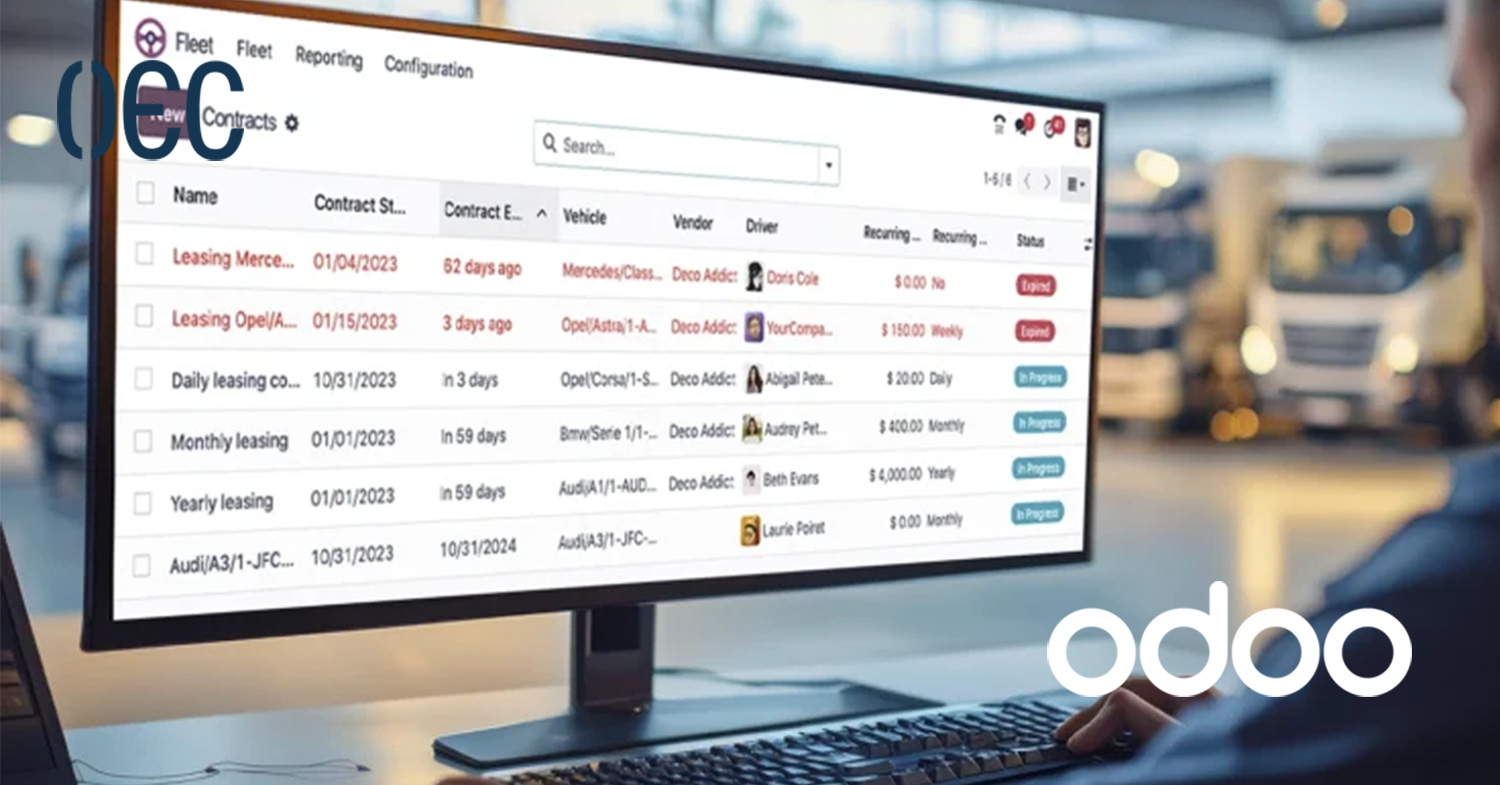
افضل نظام إدارة أسطول المركبات من اودو
أصبحت نظام إدارة أسطول المركبات من اودو اليوم واحدة من العناصر الأساسية لأي شركة تعتمد على التنقل أو النقل بشكل كبير. الشركات التي تمتلك أساطيل صغيرة أو كبيرة تواجه تحديات متعددة، مثل تتبع المركبات، مراقبة أداء السائقين، الحفاظ على الصيانة الدورية، تسجيل استهلاك الوقود، وضمان الالتزام بالعقود والتأمينات. الإدارة اليدوية غالبًا ما تؤدي إلى فقدان التفاصيل، أخطاء بشرية، وارتفاع التكاليف التشغيلية. شركة OEC تقدم حلولاً متكاملة للشركات الراغبة في التحول الرقمي لإدارة أعمالها، بما يشمل إدارة الأسطول من Odoo ERP. خبرة OEC في تقديم حلول متقدمة لأنظمة أودو وأدوات الأتمتة تساعد المؤسسات على تحسين كفاءتها التشغيلية، تقليل الهدر، وتوفير الوقت والجهد. في هذا المقال، سنستعرض نظام إدارة أسطول المركبات من اودو (Odoo Fleet Management) بالتفصيل، مع شرح أدواته وإمكانياته لتسهيل إدارة الأسطول، تقديم نصائح عملية لتطبيقه، وتسليط الضوء على المميزات التي تساعد أي شركة على تحسين عملياتها اليومية وزيادة كفاءة أسطولها بشكل ملحوظ. ما هو نظام إدارة أسطول المركبات من أودو؟ نظام إدارة أسطول المركبات من أودو هو نظام متكامل يتيح للشركات تجميع كل بيانات المركبات والسائقين في مكان واحد. بدلاً من الاعتماد على أوراق وسجلات منفصلة، يمكن للشركة متابعة كل ما يتعلق بأسطولها من خلال لوحة تحكم واحدة تشمل: بيانات المركبات الأساسية (موديل السيارة، سنة الصنع، رقم اللوحة) سجلات الصيانة والإصلاحات متابعة استهلاك الوقود والمسافات المقطوعة إدارة العقود والتأمينات تعيين ومتابعة أداء السائقين إعداد التقارير التحليلية لمراقبة الأداء الميزة الكبرى لهذا النظام هي الشفافية، والقدرة على اتخاذ قرارات مبنية على بيانات دقيقة، مما يقلل الأخطاء البشرية ويوفر الوقت والموارد. الفوائد و المميزات الأساسية لاستخدام نظام إدارة أسطول المركبات من أودو 1. تتبع المركبات بشكل شامل أحد أهم تحديات إدارة الأسطول هو معرفة حالة كل مركبة في أي وقت. من خلال النظام، يمكن تسجيل كل حركة للمركبة، استهلاك الوقود، المسافة المقطوعة، وتاريخ الصيانة. هذا يمنح الإدارة رؤية واضحة تساعد على تخطيط أفضل للرحلات وتقليل الهدر. 2. إدارة الصيانة بفعالية الصيانة الدورية ضرورية للحفاظ على سلامة المركبات وتقليل الأعطال المفاجئة. يسمح النظام بإعداد جداول صيانة دورية وتذكيرات للمواعيد القادمة. هذه الميزة تساعد على منع توقف العمل المفاجئ بسبب الأعطال، وتحافظ على استمرارية التشغيل بسلاسة. 3. مراقبة أداء السائقين النظام لا يقتصر على تتبع المركبات فقط، بل يشمل أيضًا إدارة السائقين. يمكن تسجيل الكيلومترات التي قطعها كل سائق، فترات القيادة، سجل الوقود، وسلوك القيادة. هذا يساعد على توزيع المهام بشكل أفضل، تحسين الأداء، والتقليل من استهلاك الوقود غير الضروري. 4. تقليل التكاليف وزيادة الكفاءة مع معرفة دقيقة لكل مصاريف الأسطول، سواء كانت وقود، صيانة، أو عقود تأمين، يمكن للشركة تحديد المجالات التي يمكن فيها تقليل النفقات. تحسين الكفاءة التشغيلية يؤدي مباشرة إلى خفض التكاليف دون التأثير على جودة الخدمات. 5. إدارة العقود والتأمينات النظام يساعد على متابعة كل العقود والتأمينات المرتبطة بالمركبات، مع تذكير بالمواعيد النهائية للتجديد، وتفاصيل التغطية. هذه الميزة تقلل المخاطر القانونية وتحمي الشركة من أي مشاكل مستقبلية تتعلق بالتأمين أو التعاقدات. 6. إعداد تقارير دقيقة من خلال تقارير النظام، يمكن للإدارة تحليل أداء الأسطول بالكامل، مثل استهلاك الوقود، الصيانة، الكيلومترات المقطوعة، وسلوك السائقين. هذه البيانات مهمة لاتخاذ قرارات استراتيجية على المدى الطويل، وتحسين تخطيط الموارد. كيف يحسن نظام إدارة أسطول المركبات من أودو العمليات اليومية؟ 1. توفير الوقت بدلاً من البحث في ملفات وسجلات منفصلة، يمكن الوصول لكل المعلومات من لوحة تحكم واحدة. هذا يوفر ساعات من العمل اليدوي ويقلل الحاجة للتنسيق بين الأقسام المختلفة. 2. تقليل الأخطاء البيانات المركزية تقلل من احتمال فقدان معلومات مهمة أو إدخال بيانات خاطئة، مما يحسن دقة التقارير ويزيد من موثوقية المعلومات. 3. تخطيط أفضل يمكن للشركة جدولة الصيانة، توزيع المركبات على السائقين، ومتابعة استهلاك الوقود بشكل دوري، مما يسهل التخطيط للرحلات وتقليل الهدر. 4. تحسين الاستدامة تقليل استهلاك الوقود، التخطيط الذكي للرحلات، والصيانة المنتظمة يساهم في تقليل التأثير البيئي وتحقيق استدامة أعلى في العمليات التشغيلية. نصائح للاستفادة القصوى من نظام إدارة أسطول المركبات من أودو تجميع البيانات قبل التطبيق: احرص على جمع كل بيانات المركبات والسائقين وسجلات الصيانة السابقة قبل بدء استخدام النظام. تحديد أولويات الصيانة: ضع جدول صيانة واضح لكل مركبة، وحدد مواعيد التذكير لتجنب الأعطال المفاجئة. مراجعة التقارير بشكل دوري: راجع تقارير الأداء الشهرية لتقييم كفاءة الأسطول، توزيع المهام، وتحسين استهلاك الوقود. دمج النظام مع أنظمة أخرى: مثل نظم المحاسبة أو إدارة الموارد البشرية لتوفير صورة كاملة عن التكاليف والأداء. تدريب الموظفين: تأكد من أن جميع الموظفين المعنيين يستخدمون النظام بشكل صحيح لتحقيق أقصى استفادة. الفوائد العملية للشركات اعتماد نظام إدارة أسطول المركبات يوفر للشركات مجموعة من الفوائد العملية التي يمكن ملاحظتها مباشرة في العمليات اليومية، وتشمل: رؤية شاملة في الوقت الفعلي: يمكن للإدارة متابعة كل مركبة وسائق بشكل مستمر، مما يسهل اتخاذ القرارات بسرعة ودقة. تقليل الأعطال المفاجئة: الصيانة المنتظمة والمتابعة الدقيقة تقلل من توقف العمل غير المتوقع، مما يحافظ على استمرارية العمليات. تحسين تخطيط الرحلات: النظام يساعد على تنظيم توزيع المركبات والمسارات بشكل أكثر كفاءة، مع تقليل استهلاك الوقود. إعداد تقارير دقيقة: توفر البيانات التحليلية رؤية واضحة للأداء العام للأسطول، مما يدعم اتخاذ قرارات استراتيجية مدروسة. إدارة العقود والتأمينات بسهولة: متابعة كل المستندات المتعلقة بالمركبات تقلل من المخاطر القانونية وتضمن الالتزام التام بالعقود والتغطيات التأمينية. كيف يساهم نظام إدارة أسطول المركبات في تحسين الأداء العام استخدام نظام إدارة الأسطول يسهم في تحسين الأداء العام للشركة من خلال: زيادة الإنتاجية: توفير الوقت والجهد المهدور في تتبع المركبات يدويًا تحسين استخدام الموارد: معرفة أي المركبات تستخدم بشكل أفضل وأيها يحتاج إلى إعادة توزيع تعزيز الأمان: الصيانة الدورية ومراقبة أداء السائقين تقلل من الحوادث دعم اتخاذ القرارات الاستراتيجية: البيانات الدقيقة تسهل وضع الخطط طويلة المدى وتحسين الأداء المالي نصائح لتعزيز استدامة أسطول المركبات تبني القيادة الاقتصادية: تدريب السائقين على استخدام الوقود بشكل أكثر فعالية التخطيط الذكي للرحلات: تجنب الرحلات الفارغة أو المزدوجة غير الضرورية الاستفادة من الصيانة الوقائية: تقليل الأعطال غير المتوقعة وتحسين عمر المركبات تقليل الهدر: متابعة استخدام المركبات والمعدات لتقليل الفاقد لماذا OEC هو الخيار الأفضل لإدارة الأسطول شركة OEC تقدم أكثر من مجرد نظام تقني لإدارة الأسطول، فهي شريك موثوق يقدم حلولًا متكاملة للشركات والمؤسسات التي تبحث عن تحسين أداء أسطولها: حلول مخصصة: يتم تعديل النظام وفق احتياجات كل شركة لضمان أفضل النتائج دعم مستمر: فريق متخصص متاح دائمًا لضمان تطبيق النظام بشكل سلس وفعال تحسين الكفاءة التشغيلية: تقديم حلول عملية لتحسين أداء الأسطول وخفض التكاليف خدمات شاملة: من إدارة المركبات إلى التقارير، كل الأدوات متوفرة تحت سقف واحد باختصار OEC بتساعدك على إدارة أسطول المركبات بكفاءة
Odoo Fleet Management: Features & How It Works
Odoo Fleet Management: Features & How It Works Managing company vehicles often sounds simple on the surface, but anyone who has ever handled even a small fleet knows how fast things can get messy. You start with a couple of cars, then suddenly you’re dealing with fuel logs, unexpected breakdowns, maintenance schedules, insurance renewals, and drivers calling every week with new requests. It becomes a cycle of spreadsheets, reminders, and problems that keep popping up at the worst time. That’s exactly where a reliable Odoo Fleet Management Features makes a difference, especially when it’s connected to the rest of your operations. At OEC, we see this challenge every day when companies grow and start depending on more vehicles. Many businesses rely on manual tracking until it breaks down, or they use multiple tools that don’t talk to each other. Our goal is always to give companies a setup that feels simple on the surface but is powerful in the background. With Odoo, we help organizations build a connected fleet ecosystem that links maintenance, finance, HR, and operations together in one place. No extra systems, no scattered data, and no overcomplication. This blog will take you through how Odoo Fleet Management works, what makes it different, the core Odoo Fleet Management Features, and how it can transform daily operations. by the end of this article, you’ll understand exactly how the system handles costs, tracking, maintenance, contracts, and fuel management in a clean and organized way. What Is Odoo Fleet Management? Odoo Fleet Management is Odoo’s built-in module designed to help businesses manage everything related to company vehicles. Think of it like a central dashboard where all information about your cars, vans, trucks, or motorcycles stays organized and accessible. Instead of juggling spreadsheets, paper forms, and reminders, Odoo brings all the vehicle details into one smart, connected system. It’s not just about knowing who is driving what. The system tracks costs, contracts, mileage, maintenance, and everything else that affects your vehicle performance and budget. When combined with Odoo’s other apps like Accounting, HR, Purchase, and Inventory, fleet management becomes part of your entire workflow, not a separate system you have to follow. Why Companies Need Odoo Fleet Management Every growing company eventually reaches a point where manual fleet tracking becomes a bottleneck. Here are common issues companies face: Vehicles being used without proper records Missing insurance or registration renewal dates No visibility over fuel spending Unexpected repairs throwing off budgets Drivers reporting issues too late Difficulty calculating the real cost of each vehicle Miscommunication between departments Odoo solves all of that by giving businesses a connected view of their fleet. Instead of problems appearing suddenly, managers get real-time updates and alerts, allowing them to stay ahead of costs and issues. The system also reduces workload on drivers, supervisors, and finance teams, because the entire process becomes structured and automated. Odoo Fleet Management Features Below is a full breakdown of the main Odoo Fleet Management Features, how each one works, and why it’s important for companies that rely on vehicles every day. Centralized Vehicle Management All Vehicle Data in One Place Odoo creates a dedicated record for each vehicle in your fleet. Inside this record, you can store: Brand and model License plate Chassis number Driver assigned Fuel type Purchase date and value Vehicle status Odometer logs Contracts and maintenance history Instead of checking multiple files or contacting different departments, everything you need is in a single location. Managers get a full overview instantly, making decisions easier and faster. Real-Time Status Tracking Odoo shows whether a vehicle is available, in use, under repair, or needs attention. This visibility is crucial for planning, especially when companies rely on vehicles daily. No surprises, no guesswork. Driver Assignment Management Clear Ownership and Responsibility Every vehicle can be assigned to a driver or employee. When someone changes roles or leaves, the assignment can be updated with one click. This prevents confusion like, “Who used this car last week?”It also helps track cost per driver and improves accountability. Driver History Odoo keeps a full history of past drivers for each vehicle, making it easy to review usage patterns, spot unusual costs, or understand driver behavior over time. Contract Management Manage All Vehicle Contracts Easily One of the most powerful Odoo Fleet Management Features is contract tracking. You can manage: Lease contracts Insurance Service agreements Warranty coverage Registration renewal Annual tests and inspections Each contract can have: Start and end dates Recurring cost Alerts before expiration Automated Reminders The system notifies managers before any contract expires. No more missed deadlines, penalties, or last-minute panic renewals. Odometer Tracking Manual or Automated Updates Odoo lets you log odometer readings manually or integrate them with devices for automatic updates. This is essential for: Maintenance scheduling Fuel cost tracking Detecting excessive usage Calculating depreciation Monitoring Sudden Mileage Changes Unusual mileage jumps can be a sign of driver misuse or reporting errors. Odoo helps spot these patterns immediately. Fuel Management Track Fuel Logs and Spending Fuel is one of the biggest costs in fleet operations. Odoo lets you log: Liters consumed Fuel price Date Vehicle Driver This ensures transparency and helps identify fuel waste, fraud, or inefficient driving habits. Monitor Fuel Efficiency By comparing mileage and fuel consumption, Odoo helps you understand which vehicles consume more fuel than expected. This directly supports budgeting and cost optimization. Service and Maintenance Management Plan Maintenance Before Problems Happen Odoo allows you to schedule preventive maintenance based on: Mileage Time Vehicle type Usage patterns This reduces unexpected breakdowns and extends the lifespan of your vehicles. Create Service Requests Drivers or managers can create service requests when something needs repair. Each request includes: Problem description Cost Service provider Status You can track everything from minor issues to large repairs. Maintenance History Odoo stores the full maintenance history of every vehicle. This helps with: Resale decisions Cost analysis Identifying recurring issues Cost Tracking and Reporting Track Every Cost Automatically Odoo gathers all costs related to a vehicle: Fuel

كيف يتم تحليل البيانات في الشركات
في عالم اليوم، لم يعد تحليل البيانات في الشركات خيارًا إضافيًا، بل أصبح جزءًا أساسيًا من اتخاذ القرارات داخل أي شركة تهدف للنمو أو حتى البقاء في السوق. الشركات اليوم تولد كمية هائلة من البيانات كل دقيقة، سواء كانت من العملاء، العمليات الداخلية، أو حتى من مواقع التواصل الاجتماعي. التحدي الحقيقي لم يعد في جمع البيانات، بل في فهمها وتحويلها إلى قرارات عملية. وهنا يأتي دور الشركات المتخصصة في التحول الرقمي، مثل OEC، والتي بدأت رحلتها منذ 2016 في دعم المؤسسات بخدمات متعددة تساعدها على إدارة بياناتها وتشغيل أعمالها بذكاء. من خلال خدمات مثل التحول للأرشفة الرقمية، Odoo ERP، وتطوير المواقع والتطبيقات، توفر OEC حلولاً تساعد الشركات على فهم بياناتها، تحليلها، وربطها بعمليات التشغيل اليومية. هذا المقال سيوضح لك بشكل عملي كيف يتم تحليل البيانات في الشركات , ما هي الأدوات المستخدمة، وكيف يمكن أن تستفيد منها، مع ربط كل خطوة بتجارب واقعية من عالم الأعمال، دون مبالغة أو أمثلة غير حقيقية. وفي النهاية، سنوضح لماذا تعتبر OEC من أفضل الشركاء لأي شركة تسعى إلى الاستفادة من بياناتها بأفضل شكل. كيف يتم تحليل البيانات في الشركات؟ تحليل البيانات في الشركات هو عملية جمع وتنظيم ومعالجة وتفسير كميات كبيرة من المعلومات للوصول إلى استنتاجات تساعد الشركات على اتخاذ قرارات أفضل. قد تبدو الجملة بسيطة، لكن تنفيذها يتطلب منهجية واضحة وأدوات مناسبة. الفرق بين جمع البيانات وتحليلها جمع البيانات هو مجرد تخزين للمعلومات. تحليل البيانات هو تحويل هذه المعلومات إلى معرفة. مثال سريع: لو كنت تدير متجرًا إلكترونيًا وجمعت بيانات عن عدد الزوار والمبيعات، فلا فائدة منها إلا إذا قمت بتحليلها لمعرفة: أي المنتجات تحقق أعلى مبيعات؟ في أي وقت يزداد عدد الزوار؟ ما هو مصدر الزيارات الأفضل؟ هنا تحدث الفائدة الحقيقية. لماذا تحتاج الشركات إلى تحليل البيانات؟ 1. اتخاذ قرارات مبنية على أرقام بدون تحليل، تعتمد القرارات على الحدس. أما مع التحليل، تصبح كل خطوة مبنية على حقائق. الشركات الناجحة اليوم لا تسأل “ما رأيك؟”، بل تسأل “ما الذي تظهره البيانات؟”. 2. تحسين العمليات الداخلية من خلال تحليل البيانات يمكنك اكتشاف: أقسام بطيئة في العمل. تكاليف مرتفعة بلا داعي. فرص جديدة لتقليل الجهد وزيادة الإنتاج. 3. فهم العملاء بشكل أفضل كل تفاعل بينك وبين العميل يولد بيانات. تحليلها يساعدك على: معرفة ما يريد العميل. توقع احتياجاته. تقديم عروض مخصصة. خطوات تحليل البيانات داخل الشركات 1. تحديد الهدف قبل البدء في أي تحليل يجب تحديد الهدف. قد يكون: تحسين المبيعات تخفيض التكاليف تحسين رضا العملاء أو تطوير منتج جديد بدون هدف واضح، يصبح التحليل مضيعة للوقت. 2. جمع البيانات البيانات تأتي من مصادر كثيرة ومنها: الأنظمة الداخلية (ERP – CRM) قواعد بيانات العملاء مواقع التواصل الاجتماعي المواقع الإلكترونية في حالة الشركات التي تستخدم أنظمة مثل Odoo، فإن البيانات تكون بالفعل منظمة وجاهزة للتحليل. وهنا تظهر أهمية خدمات OEC، لأنها ليست مجرد شركة تقدم نظام ERP، بل تهيئ الشركات لكي تصبح قادرة على استخدام بياناتها فعلاً، وليس فقط تخزينها. 3. تنظيف البيانات هذه خطوة مهمّة جدًا. كثير من البيانات تكون: مكررة ناقصة غير دقيقة بدون تنظيف، النتائج ستكون مضللة. 4. تحليل البيانات باستخدام أدوات مخصصة هنا يبدأ الجزء العملي، حيث يتم استخدام أدوات مثل: Python Excel Power BI Odoo dashboards أو حتى أنظمة تحليل مدمجة داخل حلول الأرشفة والـ ERP ,افضل برامج جمع وتحليل البيانات للشركات 5. تقديم النتائج تحليل بدون تقرير واضح لا يساوي شيئًا. يجب تقديم النتائج في شكل: تقارير Dashboards Charts حتى يستطيع المديرون اتخاذ القرارات بسرعة. أنواع تحليل البيانات في الشركات التحليل الوصفي يُظهر ما حدث بالفعل (على سبيل المثال: 30% زيادة في المبيعات هذا الشهر). التحليل الاستنتاجي يُظهر لماذا حدث ذلك (على سبيل المثال: بسبب حملة إعلانية محددة). التحليل التنبؤي يتوقع ما سيحدث بناءً على البيانات السابقة. التحليل التوصيفي يقدم اقتراحات تعتمد على البيانات (على سبيل المثال: زيادة الإنفاق الإعلاني في شهر معين). كيف ترتبط خدمات OEC بتحليل البيانات؟ هنا تأتي النقطة المهمة: OEC لا تقدم فقط نظامًا أو برنامجًا ثم تنسحب. بل تبني بيئة رقمية تسمح لك بجمع وتحليل البيانات بشكل صحيح. 1. الأرشفة الرقمية عندما تكون مستنداتك رقمية، يسهل استخراج بيانات منها، فرزها، وتوصيلها مع الأنظمة الأخرى. 2. Odoo ERP Odoo ليس مجرد برنامج محاسبة، بل منصة كاملة تسمح لك: بمتابعة المبيعات إدارة المخزون مراقبة أداء الموظفين بناء تقارير تحليلية في كل خطوة وهذا يجعل تحليل البيانات في الشركات جزءًا طبيعيًا من العمل وليس مهمة إضافية. 3. تطوير المواقع والتطبيقات إذا كنت تستخدم موقعًا بدون تتبع وتحليل فأنت تضيع فرصة ذهبية. OEC تبني مواقع تدعم التحليل منذ البداية، مع أدوات: تتبع سلوك المستخدم تحليل مصادر الزيارات ربط الموقع بالـ ERP كيف تبدأ شركتك في تطبيق تحليل البيانات؟ 1. ابدأ صغيرًا لا تحتاج إلى استثمارات ضخمـة. يمكنك اختيار مجال واحد للتحليل، مثل: أداء المبيعات تجربة العملاء أو بيانات المخزون 2. استخدم الأنظمة المناسبة ليس من الذكاء استخدام أدوات منفصلة بلا ربط بينها. OEC هنا تقدم لك حلًا متكاملًا يجمع: ERP أرشفة مواقع وأدوات تحليل في نظام واحد. 3. درّب فريقك وجود أدوات رائعة لا يعني نجاح التحليل. فريقك يجب أن يفهم: كيف يقرأ الأرقام؟ كيف يفسر النتائج؟ كيف يتخذ قرارات بناء عليها؟ أكبر الأخطاء التي تقع فيها الشركات عند تحليل البيانات 1. الاعتماد على الحدس بدل البيانات قرار مبني على “نشعر أن السوق يتحرك هكذا” لن يكون أقوى من قرار مبني على تحليل 12 شهرًا من بيانات المبيعات. 2. تخزين البيانات فقط دون تحليلها امتلاك قاعدة بيانات ضخمة بدون تحليل يشبه امتلاك مكتبة كاملة دون قراءة كتاب واحد. 3. استخدام أنظمة غير مترابطة إذا كنت تملك برنامجًا للمبيعات، وبرنامجًا آخر للمخزون، وشيت Excel خارجي، وأداة CRM منفصلة، فلن تستطيع الحصول على صورة واحدة واضحة. وهذا السبب يجعل الشركات تستخدم حلول فعالة مثل Odoo، أو تتفاعل مع شركات توفر حلولاً متكاملة مثل OEC. لماذا يعد تحليل البيانات جزءًا من التحول الرقمي؟ لأن التحول الرقمي الحقيقي ليس مجرد استخدام نظام، بل استخدام بيانات هذا النظام لاتخاذ قرارات أفضل. لماذا تعتبر OEC الخيار الأفضل للشركات التي تريد الاستفادة من بياناتها؟ عندما نتحدث عن تحليل البيانات داخل الشركات، لا يكفي أن تمتلك برامج متفرقة أو أدوات لا تتحدث مع بعضها. ما تحتاجه هو منظومة كاملة تستطيع جمع بياناتك، تنظيمها، وتحويلها إلى قرارات واضحة. هذا بالضبط ما تفعله OEC. الفرق الحقيقي أن OEC لا تقدم حلاً واحدًا، بل تدمج الأرشفة الرقمية، أنظمة الـ ERP، وتطوير المواقع والتطبيقات في نظام واحد يشتغل بانسيابية. هذا يعني أنك لا تحتاج إلى الربط بين عشر أدوات،